
Ask the Expert with Myk Baxter
How Can I Turn First Time Visitors Into Repeat Customers?
A first visit is the beginning of a customer relationship. Learn how to make the next visit relevant, easy to plan and worth returning for.

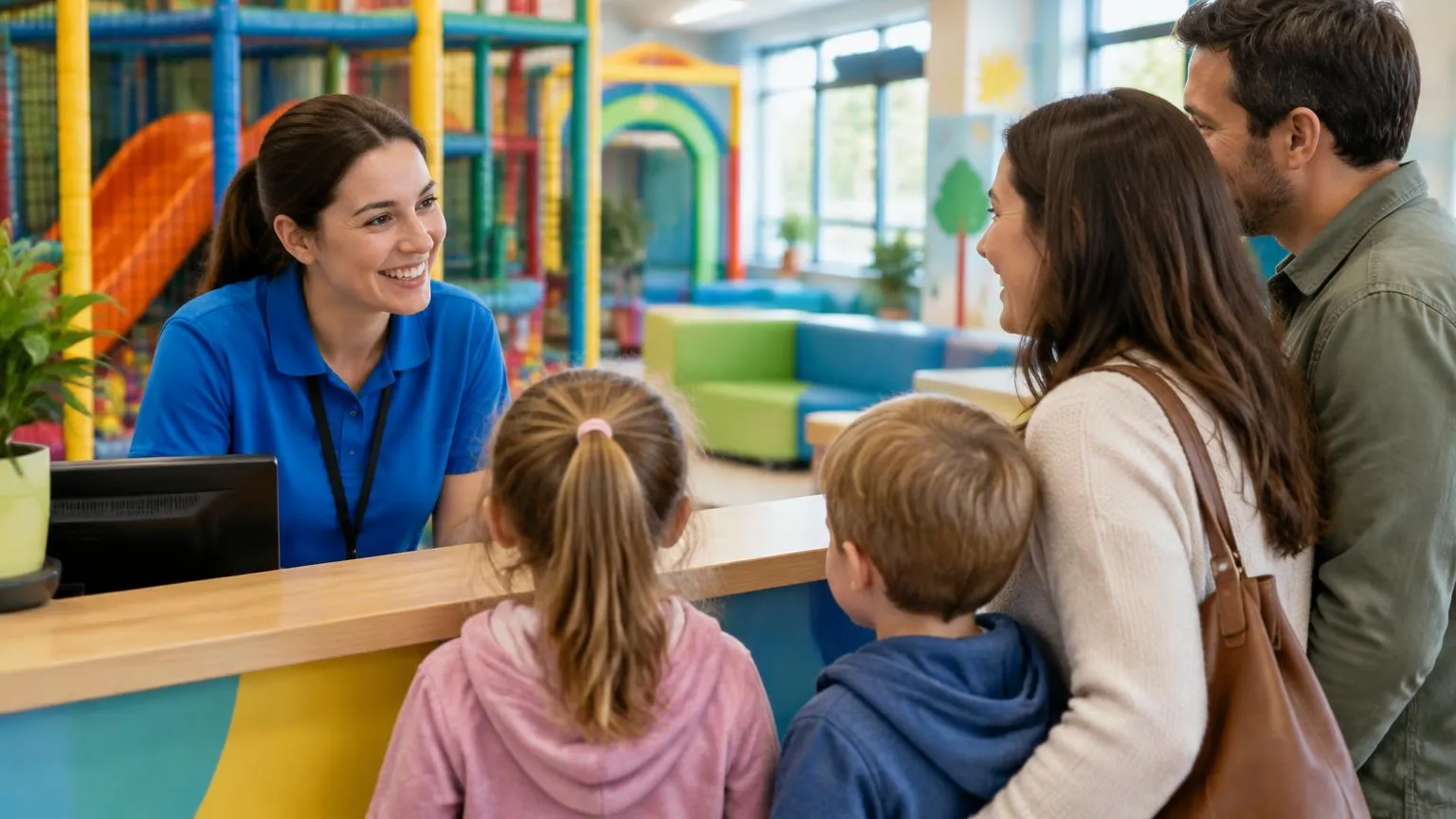
You have paid to attract a family, given them a good visit and watched them leave happy. What happens next?
If the answer is “hopefully they remember us”, there is an opportunity to improve. Repeat visits start with a strong experience, then a relevant reason to return and an easy way to arrange it.
Fix the experience before the follow-up
Look at the whole visit: arrival, check-in, facilities, food, staff support and departure. Ask where customers become confused or disappointed.
A reminder email will not solve queues caused by unclear arrival times. A loyalty offer will not correct a package that failed to meet expectations. Use feedback to improve the experience people would be returning to.
Give staff a straightforward way to record recurring issues and pass them to someone who can act. Close the loop so the same complaint does not become routine.
Give families a relevant next step
A toddler-session visitor may be interested in the next suitable weekday session. A birthday-party customer may want regular play at another time. A school group may plan on a different annual cycle entirely.
Offer the next step that fits what the customer has actually experienced. Keep it simple: a relevant session, a seasonal event or clear information about a membership where you provide one.
Do not assume every customer wants the same offer. Check the suitability of the activity and avoid inferring sensitive information about families from booking behaviour.
Keep service messages useful
Booking confirmations and essential visit information should be clear and dependable. Tell people what they have booked, where to go, what to bring and how to get help.
Keep promotional campaigns separate from necessary service communications. Adding marketing to a service email can change how it needs to be treated; calling something a reminder does not automatically make it a service message.
A short, appropriate follow-up can also help gather feedback. If you ask for public reviews, request honest opinions rather than only approaching customers likely to leave a high rating.
Build an email audience responsibly
Use a clear optional sign-up that explains what customers will receive. Record permissions and provide a straightforward unsubscribe route in marketing messages. A booking email address is not automatic permission for every future promotion.
Ireland’s general rule is affirmative consent for electronic direct marketing. A limited existing-customer exception has specific conditions; check that it applies before relying on it. Remove people from marketing when they opt out.
Avoid collecting children’s personal information simply because a marketing system has fields for it. Only collect what is necessary for a defined purpose, explain the use and manage it appropriately.
Create a manageable campaign rhythm
Start with a small number of useful campaigns rather than a complicated automation plan. A relevant holiday announcement or a reminder about a suitable regular session may be enough to learn what customers respond to.
Our email marketing service includes retention and seasonal campaign planning. Technology should help the team send useful information consistently, with somebody checking dates, availability and permissions.
For Christmas, send interested customers to a page where they can see the real experience and available sessions. Suppress irrelevant promotions where practical, such as repeatedly selling the same event to somebody who has already booked it.
Measure the return visit
Define a repeat customer consistently. For example, count purchasing customers who complete a second visit within 90 days, while keeping that measure distinct from repeat party bookings over a longer period.
Compare similar groups with the same amount of time to return. Someone who visited yesterday has not had the same opportunity as somebody who visited three months ago.
Look at repeat booking value, contribution, unsubscribes and complaints alongside clicks. Do not treat email opens as proof that a customer read the message or visited because of it.
Start with one useful invitation
Explore your PALI member benefits. First complete the digital questionnaire to claim them, then book your free consultation about customer retention.
Free member reviews and consultations do not include ongoing marketing, a complete website or a custom booking system.
Thank you for reading. Identify one suitable audience and one genuinely useful reason for them to return.